

Table of Contents
- The Historical Foundations of Pathan Culture
- Core Values: Honor, Hospitality, and Resilience
- Art, Music, and Oral Traditions
- Pathan Cuisine: A Culinary Legacy
- Modern Challenges and Adaptations
- The Pathan Diaspora: A Global Influence
1. The Historical Foundations of Pathan Culture
Pathan culture, also known as Pashtun culture, originates from the Pashtun tribes of Afghanistan and Pakistan. With a history steeped in tribal traditions, this culture has thrived for centuries, shaped by the rugged landscapes of the Hindu Kush mountains and the arid plains of the region.
The Pashtunwali code, a traditional set of ethical principles, governs the Pathan way of life. It emphasizes values such as justice, loyalty, and mutual respect. This unwritten code has provided a framework for communal harmony and resilience in the face of external challenges.
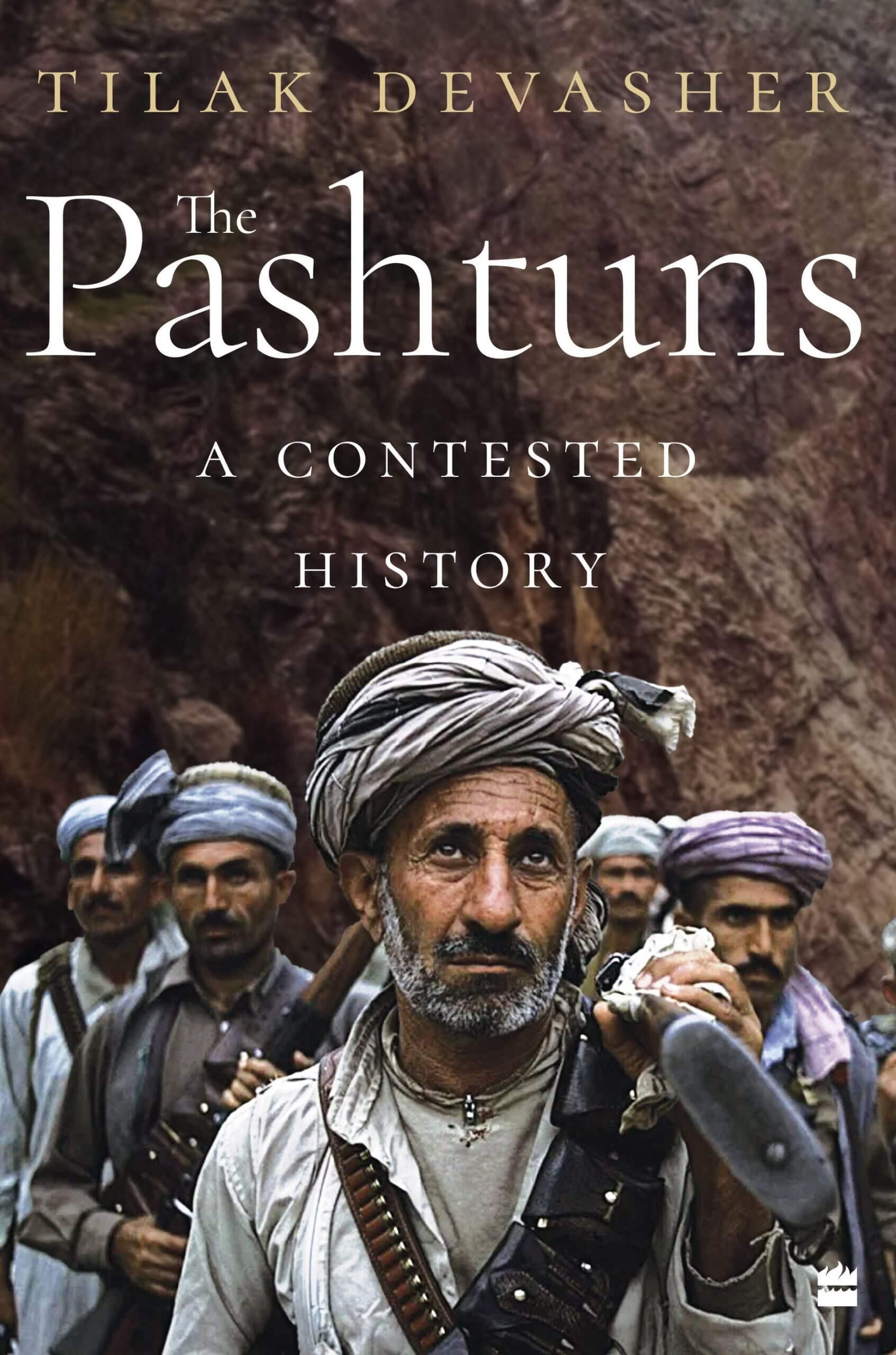
2. Core Values: Honor, Hospitality, and Resilience
Honor (nang), hospitality (melmastia), and resilience are the pillars of Pathan culture. These values define interpersonal relationships and societal structures within the community.
Hospitality is a hallmark of Pathan culture, where guests are treated with the utmost respect and generosity. Similarly, the concept of honor governs personal and family reputations, influencing decisions and actions. Resilience, born from centuries of surviving harsh environments and conflicts, remains a defining characteristic of Pathans.

3. Art, Music, and Oral Traditions
Pathan culture is rich in oral traditions, with poetry, storytelling, and music playing central roles. Pashto poetry, particularly the works of Khushal Khan Khattak and Rahman Baba, reflects themes of love, bravery, and spirituality.
Music, including traditional instruments like the rubab and mangey, is a vibrant expression of Pathan identity. Folk songs and dances, such as the Attan, are integral to celebrations, symbolizing unity and cultural pride.

4. Pathan Cuisine: A Culinary Legacy
Pathan cuisine is characterized by its simplicity and flavor, often featuring meat-based dishes and hearty bread. Dishes like Kabuli Pulao, Chapli Kebabs, and Lamb Karahi are staples of Pathan gastronomy.
The cuisine reflects the community’s pastoral roots and love for natural, unprocessed ingredients. Meals are often communal, reinforcing bonds and a sense of togetherness.
5. Modern Challenges and Adaptations
Pathan culture faces numerous challenges in a rapidly modernizing world. Urbanization, technology, and globalization have introduced new dynamics to traditional lifestyles. Younger generations are embracing modern education and opportunities, leading to shifts in traditional roles and practices.
Despite these changes, Pathans continue to adapt while holding onto their cultural identity. Efforts to preserve the Pashto language, celebrate traditional festivals, and pass down oral traditions are testament to their resilience.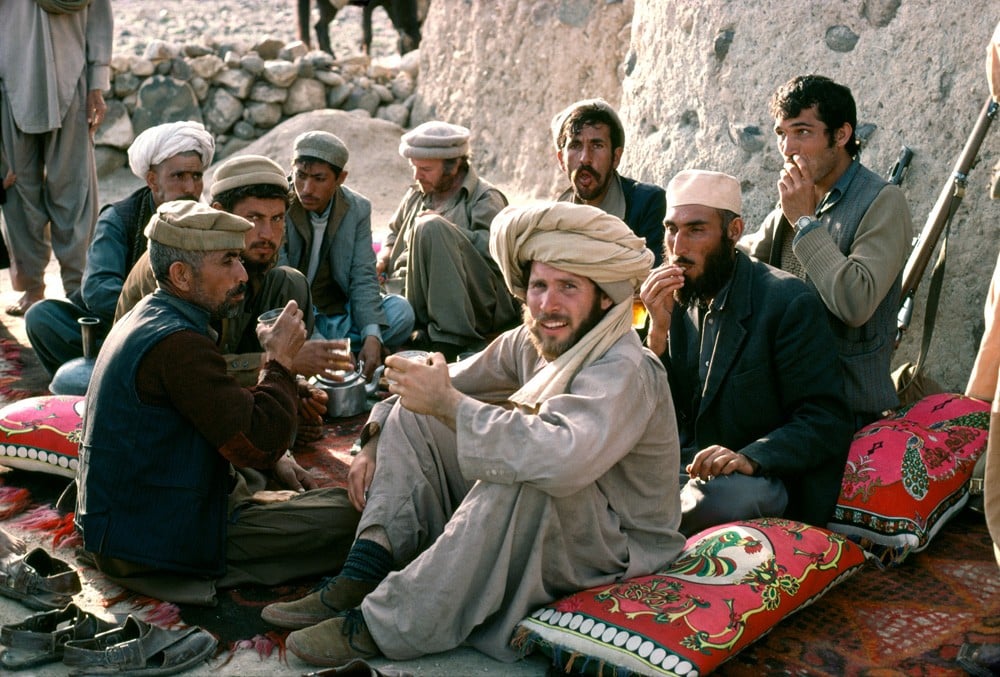
6. The Pathan Diaspora: A Global Influence
The Pathan diaspora has spread across the world, bringing their cultural values and traditions to new environments. Communities in the Middle East, Europe, and North America have established a presence, balancing integration with preserving their heritage.
Through business, art, and advocacy, Pathans in the diaspora contribute to global cultural diversity while maintaining their unique identity. Their resilience and adaptability continue to inspire others in a globalized world.
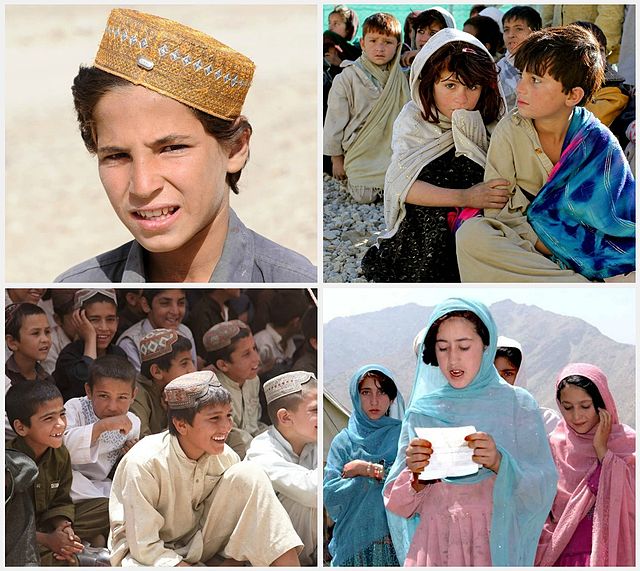
Conclusion: Preserving Identity in a Changing World
Pathan culture stands as a remarkable example of resilience and adaptability. Its core values of honor, hospitality, and community have remained steadfast despite the challenges of modernity. As Pathans navigate the complexities of a globalized world, they continue to honor their rich heritage while embracing change.
This balance between tradition and progress ensures that Pathan culture remains vibrant and relevant. Whether in their homeland or as part of the global diaspora, Pathans exemplify the enduring spirit of their culture, inspiring future generations to cherish and uphold their legacy.

You must be logged in to post a comment.