

1. Understanding the Science of Weight LossTable of Contents
1. Understanding the Science of Weight Loss
2. How Nutrition Impacts Your Body and Metabolism
3. Choosing the Right Diet for Long-Term Success
4. Building Balanced Meals and Mastering Portion Control
5. The Role of Hydration, Sleep, and Stress in Weight Loss
## 1. Understanding the Science of Weight Loss
Long-lasting weight loss begins with understanding the basic science behind how your body stores and burns energy. Weight loss fundamentally depends on maintaining a calorie deficit — meaning you burn more calories than you consume. However, the process is far more complex than simply eating less. Your metabolism, hormones, age, muscle mass, sleep patterns, and stress levels all influence how efficiently your body uses energy. In 2025, nutrition science emphasizes a holistic approach: focusing not just on calories, but on nutrient density, digestive health, glycemic response, and metabolic flexibility. When you understand how your body processes carbohydrates, fats, and proteins, you can design eating habits that fit your lifestyle and drive consistent fat loss. Tracking progress with realistic expectations is essential because sustainable weight loss occurs gradually, allowing your body to adapt without stress. Small daily improvements compound into meaningful long-term results.

## 2. How Nutrition Impacts Your Body and Metabolism
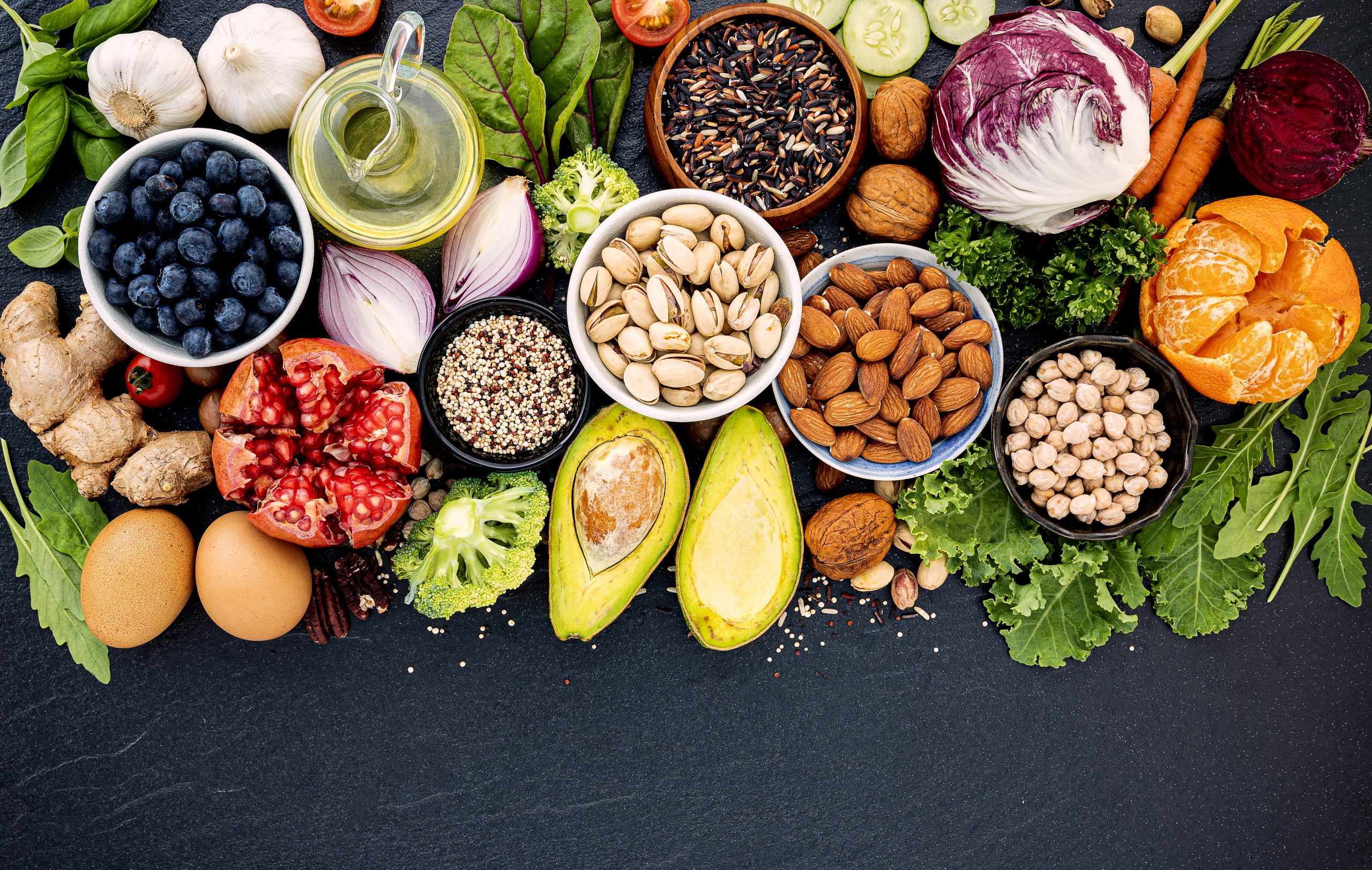
Nutrition plays a central role in supporting metabolism, energy, and fat reduction. Every nutrient you consume affects your hormones, digestion, and appetite differently. Protein boosts satiety and helps preserve muscle mass, which is crucial for maintaining a faster metabolism. Healthy fats support brain function and hormone balance, while complex carbohydrates provide sustained energy without causing blood sugar spikes. Fiber-rich foods improve digestion, reduce cravings, and support gut health — an area strongly linked to weight management. Micronutrients such as vitamins, minerals, and antioxidants ensure your body performs optimally, especially during calorie reduction. Cutting calories without proper nutrition can lead to fatigue, metabolic slowdown, and nutrient deficiencies. Instead of restrictive dieting, the key is nourishing your body with whole foods, lean proteins, vegetables, fruits, legumes, nuts, seeds, and unprocessed grains. When your body receives adequate nutrients, weight loss becomes easier, smoother, and far more sustainable.
## 3. Choosing the Right Diet for Long-Term Success
Hundreds of diets exist — keto, Mediterranean, intermittent fasting, low-carb, plant-based, paleo, and more — but the most effective diet is the one you can follow consistently. Every diet has benefits depending on your goals, lifestyle, and health conditions. Keto can reduce cravings, Mediterranean supports heart health, intermittent fasting improves insulin sensitivity, and low-carb diets help stabilize blood sugar. The trick is identifying which structure matches your daily routine. A sustainable diet should never feel like punishment; it should feel natural, satisfying, and supportive of your long-term well-being. Consider factors like food preferences, cultural eating patterns, work schedule, and medical history when choosing a plan. In 2025, nutritionists recommend hybrid approaches, such as combining intermittent fasting with balanced macro meals. Avoid extreme diets that eliminate entire food groups or promise rapid weight loss — these often lead to rebound weight gain. Consistency, not perfection, is what delivers long-lasting results.
## 4. Building Balanced Meals and Mastering Portion Control
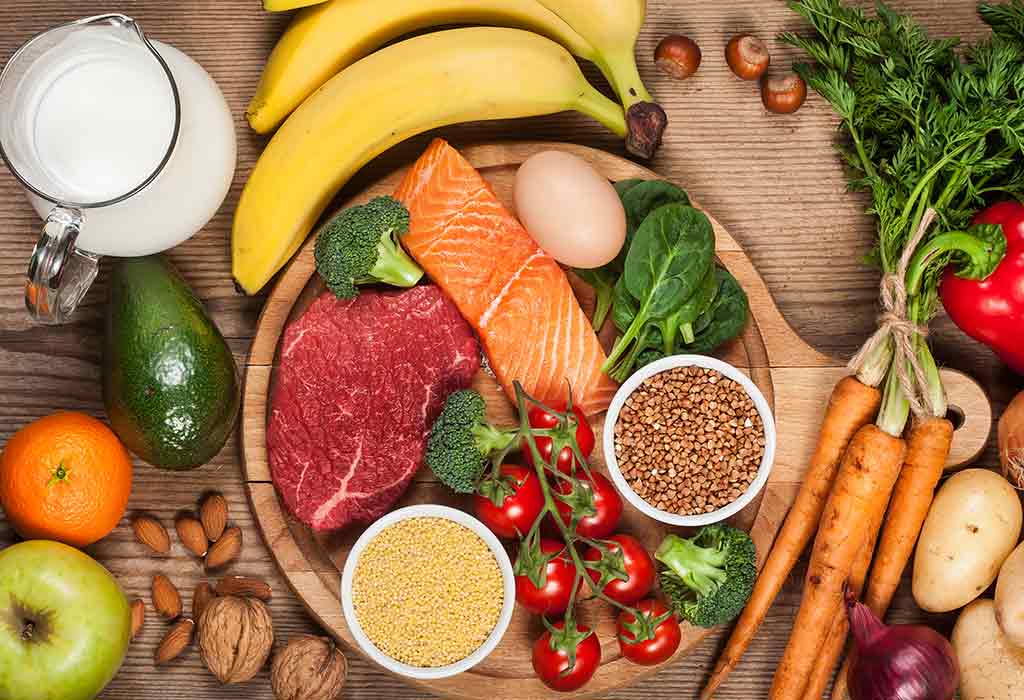
Balanced meals are the backbone of healthy weight management. A well-designed plate includes lean protein, high-fiber vegetables, whole grains or complex carbs, and healthy fats. This combination stabilizes energy levels, prevents cravings, and keeps you full for longer periods. Portion control is equally essential — too much of even healthy foods can slow progress. Tools such as hand-portion methods, food scales, and mindful eating practices help regulate intake without stressful calorie counting. Meal prepping is a powerful strategy for avoiding impulsive food choices and maintaining consistency. Learning to listen to hunger and fullness cues also reduces overeating and emotional snacking. By focusing on nutrient-dense meals and realistic serving sizes, you create a structure that supports weight loss while allowing flexibility for social meals and occasional treats. The goal is not restriction but balance, satisfaction, and mindful nourishment.

## 5. The Role of Hydration, Sleep, and Stress in Weight Loss
Weight loss isn’t just about food — hydration, sleep, and stress management play equally important roles. Water supports digestion, metabolic processes, and appetite regulation. Even mild dehydration can trigger false hunger signals, leading to unnecessary snacking. Sleep is another critical component: inadequate sleep disrupts hormones like ghrelin and leptin, increasing cravings and slowing metabolism. Stress releases cortisol, a hormone that encourages fat storage around the abdomen and triggers emotional eating. Incorporating stress-reducing habits such as exercise, meditation, deep breathing, or outdoor walks can improve overall well-being and support weight management. Making lifestyle adjustments in these areas helps regulate your body’s natural rhythms, enhancing your ability to lose weight consistently and improve your overall health.


You must be logged in to post a comment.