

Heart health plays a vital role in overall well-being, yet heart attacks remain one of the leading causes of death worldwide. A heart attack, medically known as myocardial infarction, occurs when the blood supply to the heart muscle is suddenly blocked. This blockage prevents oxygen from reaching heart tissues, resulting in damage or death of heart cells. Although medical advancements have improved outcomes, heart attacks often develop silently over many years due to unhealthy habits and unmanaged health conditions.
Understanding the causes of heart attacks and adopting preventive measures can significantly reduce the risk and improve quality of life.

Understanding Heart Attacks and Their Development

Heart attacks usually begin with damage to the coronary arteries, which supply blood to the heart. Over time, cholesterol, fat, and other substances accumulate inside artery walls, forming plaques. As these plaques grow, they narrow the arteries and restrict blood flow. When a plaque ruptures, a blood clot forms and blocks the artery completely, triggering a heart attack.
This process often develops slowly, making early prevention essential.
Unhealthy Diet and Heart Disease
One of the leading causes of heart attacks is an unhealthy diet. Frequent consumption of processed foods, fried items, sugary drinks, and foods high in saturated fats increases cholesterol levels and promotes inflammation. Excess salt intake raises blood pressure, while refined sugars damage blood vessels. These dietary habits accelerate plaque buildup and weaken cardiovascular health.
Physical Inactivity and Weak Heart Function
A sedentary lifestyle significantly increases heart attack risk. Lack of physical activity weakens the heart muscle, slows blood circulation, and contributes to weight gain. Physical inactivity also disrupts cholesterol balance and insulin sensitivity, increasing the likelihood of heart disease. Regular movement is essential for maintaining strong and flexible blood vessels.
Smoking and Tobacco Use
Smoking remains one of the most dangerous contributors to heart attacks. Tobacco smoke damages artery walls, reduces oxygen in the blood, and increases clot formation. Even light smoking or secondhand smoke exposure raises heart disease risk. Quitting smoking greatly improves heart health at any age.
Chronic Stress and Emotional Pressure
Long-term stress places continuous strain on the heart. Stress hormones raise blood pressure and heart rate, while also encouraging unhealthy behaviors such as overeating and smoking. Persistent stress increases inflammation and accelerates arterial damage, making heart attacks more likely.

High Blood Pressure and Silent Damage
High blood pressure often develops without noticeable symptoms, yet it causes severe damage over time. Constant pressure weakens artery walls and forces the heart to work harder. If uncontrolled, hypertension significantly increases the risk of heart attacks, strokes, and heart failure.
High Cholesterol and Artery Blockage
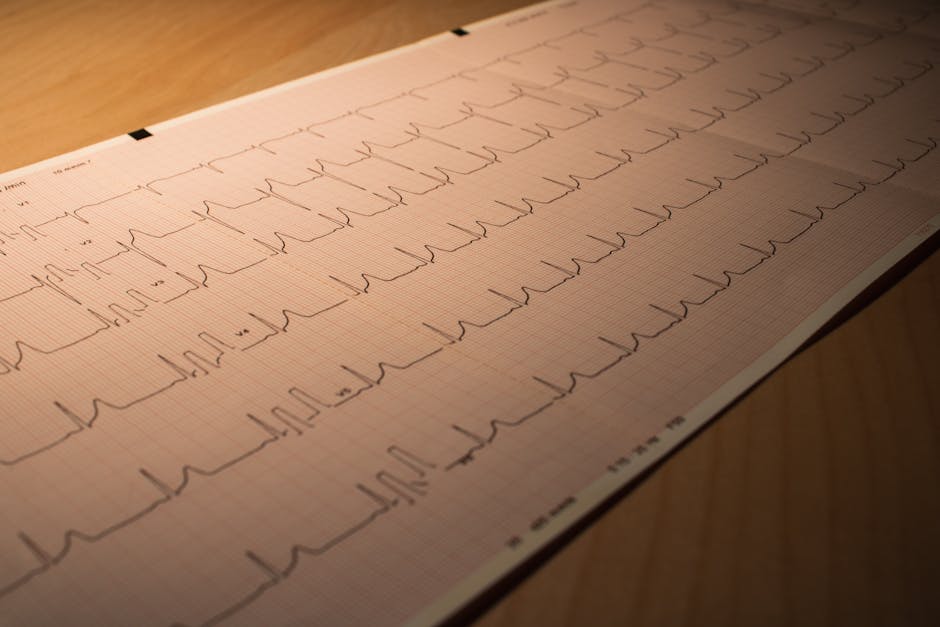
Excess bad cholesterol accumulates inside arteries, reducing blood flow to the heart. Low levels of good cholesterol limit the body’s ability to remove excess fat from the bloodstream. Maintaining healthy cholesterol levels is critical for preventing heart attacks.
Diabetes and Cardiovascular Risk
Diabetes increases heart attack risk by damaging blood vessels and nerves that control heart function. High blood sugar levels promote inflammation and plaque formation. People with diabetes may experience delayed or unusual heart attack symptoms, increasing complications.
Obesity and Excess Body Weight
Obesity places additional strain on the heart and promotes chronic inflammation. Excess body fat is closely linked to high blood pressure, diabetes, and cholesterol imbalance. Rising obesity rates have contributed to increased heart attacks among younger populations.

Genetic Factors and Family History
Family history plays a role in heart disease risk. Individuals with close relatives who have heart problems are more vulnerable, especially when combined with poor lifestyle habits. Healthy choices can significantly reduce inherited risk.
Modern Treatment Approaches in 2026
In 2026, heart attack treatment focuses on rapid response and personalized care. Early diagnosis and immediate medical intervention reduce heart damage and improve survival. Advanced diagnostic tools help identify blockages quickly and accurately.
Medications such as blood thinners, cholesterol-lowering drugs, and blood pressure medicines remain essential for treatment and long-term management. Minimally invasive procedures like angioplasty and stent placement restore blood flow efficiently, while bypass surgery is used in severe cases.
Recovery and Cardiac Rehabilitation
Cardiac rehabilitation programs play a crucial role in recovery. These programs combine supervised exercise, nutritional guidance, stress management, and emotional support. Rehabilitation strengthens the heart and reduces the risk of future heart attacks.
Role of Technology in Heart Health

Wearable devices and digital health apps have transformed heart care. These tools help monitor heart rate, physical activity, sleep patterns, and medication adherence, allowing early detection of potential problems and encouraging healthier habits.
Importance of Prevention and Lifestyle Changes
Prevention remains the most effective way to reduce heart attack risk. A balanced diet, regular physical activity, stress management, avoiding tobacco, maintaining a healthy weight, and routine medical checkups protect heart health and extend lifespan.

Conclusion
Heart attacks are rarely sudden events; they are the result of long-term lifestyle choices and unmanaged health conditions. In 2026, modern medical treatments and preventive strategies have made heart disease more manageable than ever. By understanding the causes, adopting healthy habits, and seeking timely medical care, individuals can protect their hearts, improve quality of life, and reduce the risk of life-threatening heart attacks.

You must be logged in to post a comment.