
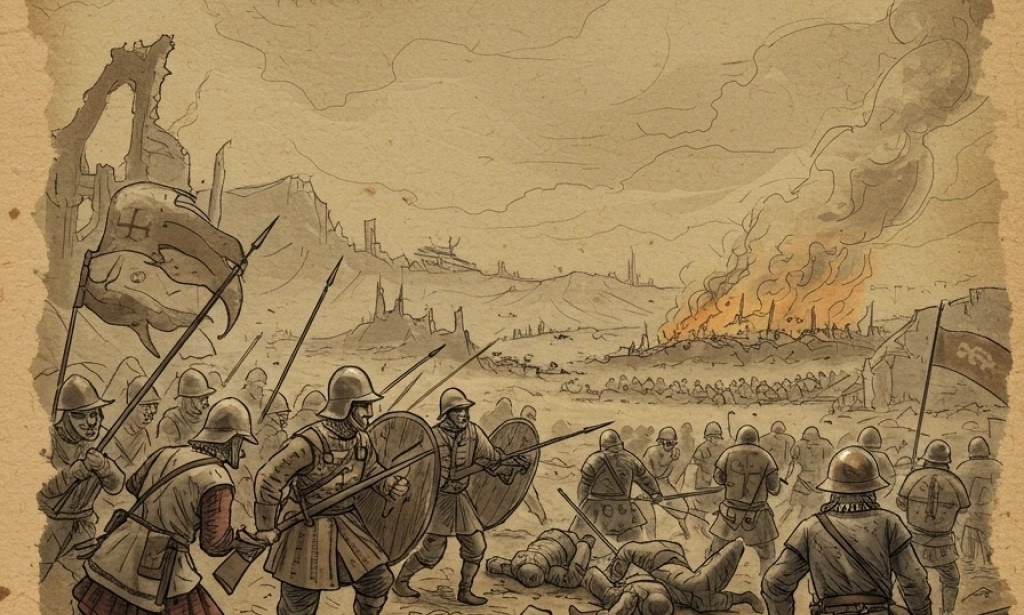
Historical Accidents That Changed the World Forever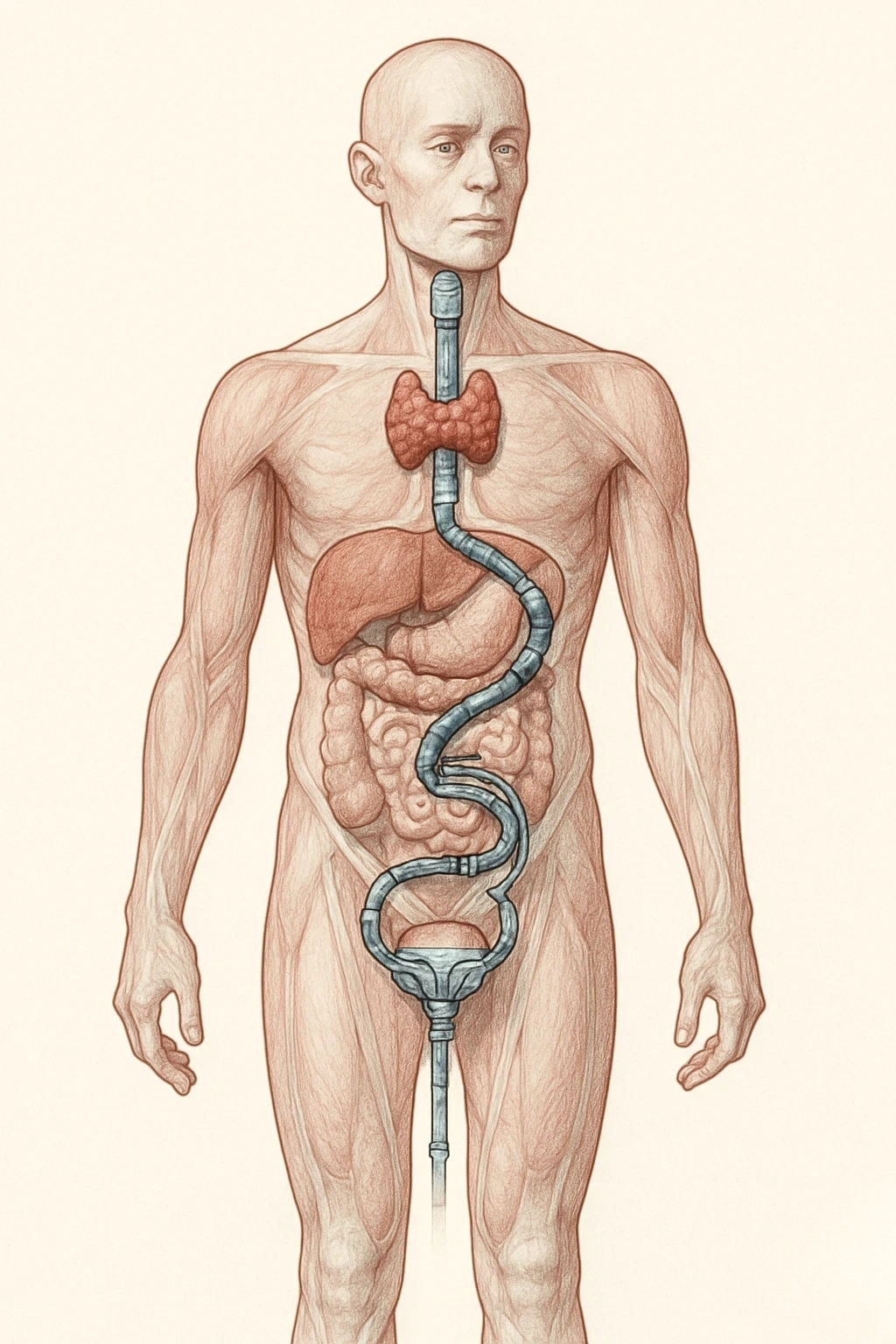
History is often written by great leaders, powerful empires, and bold decisions. But sometimes, the biggest changes come from pure chance. A wrong turn, a lab mistake, or an unexpected encounter can reshape nations, start wars, or spark world-changing inventions.
In this long-form guide, we’ll explore the most impactful historical accidents that changed the world forever. These surprising moments prove that chance events can be just as powerful as careful planning.
Why Accidents Play a Powerful Role in History
Accidents are unplanned events with massive consequences. While they may seem random, their impact can be long-lasting and global.
History shows us that:
Small mistakes can trigger global change
Scientific breakthroughs can happen by chance
Political outcomes can shift due to one wrong decision
Wars can begin or end because of miscommunication
Understanding these accidents helps us see how fragile and unpredictable history really is.
The Accidental Discovery of Penicillin
A Laboratory Mistake That Saved Millions
In 1928, returned to his laboratory to find that mold had contaminated one of his petri dishes. Instead of throwing it away, he noticed something remarkable. The mold had killed the surrounding bacteria.
This accident led to the discovery of penicillin, the world’s first true antibiotic.
How Penicillin Changed the World
Before antibiotics, even minor infections could be deadly. Penicillin transformed medicine by making once-fatal diseases treatable.
The global impact included:
Saving millions of lives during and after World War II
Making complex surgeries safer
Revolutionizing modern healthcare
Extending average human lifespan
This accidental discovery reshaped medicine forever and paved the way for modern antibiotics.
The Wrong Turn That Led to the Discovery of the Americas
and a Navigational Error
In 1492, Christopher Columbus set sail hoping to find a faster route to Asia. Instead, he miscalculated the Earth’s size and reached the Caribbean. He believed he had arrived in Asia, but he had actually encountered the Americas.
This mistake changed global history.
The Global Consequences of the “New World”
Columbus’s accidental discovery triggered massive global changes, including:
European colonization of the Americas
The Columbian Exchange of plants, animals, and diseases
The rise and fall of empires
Permanent transformation of global trade
This navigational error reshaped continents and altered world history forever.
The Gunpowder Accident That Changed Warfare
Chinese Alchemists Searching for Immortality
In ancient China, alchemists were trying to create an elixir of life. Instead, they accidentally invented gunpowder. Their mixture of sulfur, charcoal, and saltpeter resulted in an explosive compound.
What began as a failed experiment soon changed how wars were fought across the world.
How Gunpowder Transformed the World
The spread of gunpowder technology led to:
The decline of medieval castles
The rise of firearms and cannons
The end of traditional knight warfare
The creation of modern military strategies
This accidental invention reshaped global power structures and military history.
The Accidental Start of World War I
A Wrong Turn in Sarajevo
In 1914, Archduke Franz Ferdinand of Austria-Hungary was assassinated after his driver made a wrong turn in Sarajevo. The assassin happened to be standing nearby, creating a deadly coincidence.
This single accident triggered a chain reaction that led to World War I.
How One Mistake Sparked a Global Conflict
The assassination caused:
The collapse of major European empires
Over 16 million deaths
Political instability across Europe
The rise of extremist movements
One wrong turn reshaped the political landscape of the entire world.
The Microwave Oven Was Born From a Melted Candy Bar
and a Sweet Surprise
In 1945, engineer Percy Spencer was working with radar technology when he noticed that a chocolate bar in his pocket had melted. Curious, he experimented with popcorn and eggs, realizing microwaves could heat food.
This accidental moment led to the invention of the microwave oven.
How Microwaves Changed Everyday Life
The microwave transformed modern kitchens by:
Making cooking faster and easier
Changing food packaging and preservation
Influencing global eating habits
Shaping the modern fast-paced lifestyle
A melted candy bar reshaped how the world eats.
The Accidental Discovery of X-Rays
and a Strange Glow
In 1895, Wilhelm Röntgen noticed a glowing screen while experimenting with cathode rays. He realized he had discovered a new form of radiation, which he called X-rays.
This accidental discovery opened a window into the human body without surgery.
How X-Rays Transformed Medicine
X-rays revolutionized medical care by:
Allowing doctors to see inside the body
Improving diagnosis of broken bones and diseases
Transforming surgery and trauma care
Leading to modern imaging technologies
This accident created one of the most important tools in modern medicine.
The Titanic Disaster and Modern Safety Laws
and a Tragic Lesson
In 1912, the RMS Titanic struck an iceberg and sank on its maiden voyage. The tragedy shocked the world and exposed major safety failures in maritime travel.
This disaster was not just a tragedy but a turning point for global safety standards.
How the Titanic Changed Global Safety Rules
The sinking of the Titanic led to:
Mandatory lifeboats for all passengers
International maritime safety regulations
Continuous radio monitoring at sea
Improved ship design and navigation systems
Millions of future lives were protected because of this tragic accident.
The Accidental Invention of Post-it Notes
and a Failed Glue
In the 1970s, a scientist at 3M accidentally created a weak adhesive that didn’t stick well. At first, the invention seemed useless. Later, another employee realized it could be used for removable notes.
This mistake became one of the most popular office products in the world.
How Post-it Notes Changed Work Culture
Post-it Notes transformed daily life by:
Changing how people organize information
Improving productivity
Influencing office culture worldwide
Becoming an iconic global product
A failed experiment turned into a billion-dollar idea.
The Fall of the Berlin Wall
A Press Conference Mistake That Changed Europe
In 1989, an East German official accidentally announced that border crossings would open immediately. The statement caused crowds to rush the checkpoints, leading to the fall of the Berlin Wall.
This accidental announcement ended decades of division.
How One Sentence Reunited a Nation
The fall of the Berlin Wall led to:
The reunification of Germany
The collapse of communist control in Eastern Europe
The end of the Cold War era
A new political order in Europe
One mistaken statement reshaped global politics.
The Accidental Discovery of Viagra
and an Unexpected Result
Viagra was originally developed as a heart medication. During clinical trials, researchers noticed an unexpected side effect. Instead of treating heart disease, the drug was effective for erectile dysfunction.
This unexpected discovery changed global conversations around men’s health.
How Viagra Changed Medicine and Society
The accidental discovery of Viagra led to:
New treatments for erectile dysfunction
Greater openness about men’s health issues
A multibillion-dollar pharmaceutical market
Ongoing research into related medical treatments
A failed heart drug became one of the most famous medications in the world.
The Chernobyl Nuclear Disaster
and a Deadly Experiment
In 1986, a safety test went wrong at the Chernobyl nuclear power plant. A series of mistakes caused the reactor to explode, releasing massive amounts of radiation.
This accident became one of the worst nuclear disasters in history.
How Chernobyl Changed Nuclear Policy
The disaster led to:
Global reevaluation of nuclear safety
Improved reactor design standards
Increased international cooperation on nuclear safety
Widespread environmental and health awareness
Chernobyl changed how the world views nuclear power forever.
How Accidents Continue to Shape the Future
Accidents are not just relics of the past. They continue to shape modern technology, medicine, politics, and culture.
Today, many major innovations still begin with unexpected discoveries, mistakes, and unintended consequences. From scientific labs to political negotiations, chance remains a powerful force in shaping our future.
Lessons We Can Learn From Historical Accidents
The Power of Curiosity
Many accidental discoveries became breakthroughs because people were curious instead of dismissive. Fleming did not ignore the mold. Spencer investigated his melted candy bar. Curiosity turns mistakes into progress.
The Importance of Prepared Minds
Accidents only change the world when someone recognizes their importance. A prepared mind can turn chaos into opportunity.
The Fragility of History
History is not as predictable as it seems. A single mistake can change nations, borders, and lives.
Final Thoughts: When Mistakes Make History
Historical accidents remind us that the world we live in today is not only the result of careful planning but also of unexpected moments. From life-saving medicines to world-changing political events, accidents have shaped civilization in profound ways.
The next world-changing event may already be happening right now in a lab, a boardroom, or a random conversation—by accident.

You must be logged in to post a comment.